
Hidden Disabilities Sunflower partners with Access Maps
Hidden Disabilities Sunflower partners with Access Maps in Australia and New Zealand to support accessibility and inclusion.
Teina Boyd, parent and wheelchair user
"I don’t have the time or energy for uncertainty when planning outings. Access Maps takes away the guesswork, so I can focus on spending quality time with my child instead of navigating avoidable barriers.”
Access to information can make a significant difference to how people experience the world around them.
Hidden Disabilities Sunflower is delighted to announce a new partnership with Access Maps in Australia and New Zealand, bringing together two organisations committed to improving accessibility and increasing awareness of non-visible disabilities.
Access Maps provides accessibility information designed to help people understand what to expect before they visit a venue, service or public space.
For Teina and millions of others, clear information, thoughtful design and environments that consider diverse needs can help remove barriers and make every day experiences more accessible.
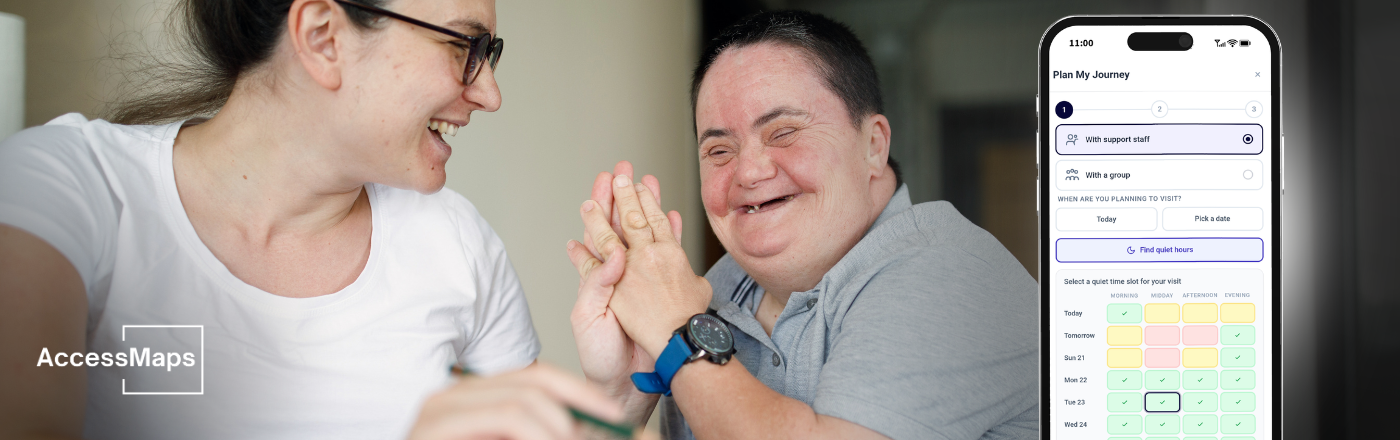
Access Maps
Access Maps was founded with one mission: helping people access the information they need to plan their visits with confidence. Their maps are built on lived experience, not checklists capturing the details that shape whether a space feels safe, welcoming, and usable.
Access Maps call this full-spectrum accessibility. It means recognising the needs of neurodivergent communities, people with long- and short-term disability, parents with prams, senior citizens, support workers, and those impacted by illness. This approach also factors in sensory and cultural requirements.
Disability Strategist and Access Maps Board Member, Rachel Peterson, reflects:
“After three decades in the disability sector, I have seen how exhausting navigating everyday access can be. The partnership between Access Maps and Hidden Disabilities Sunflower creates something powerful: accurate information combined with a symbol of support, helping people feel seen, safe, and respected.”
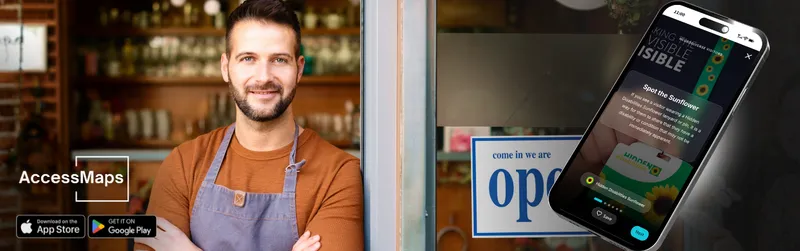
What this partnership means
Access Maps is proud to partner with Hidden Disabilities Sunflower in Australia and New Zealand and to promote the Sunflower across its platforms. This partnership reflects a shared commitment to helping people access information, navigate environments with confidence and experience greater understanding and inclusion.
Through the partnership, Access Maps will help raise awareness of the Sunflower across its platforms throughout Australia and New Zealand, supporting greater recognition and understanding of non-visible disabilities.
To celebrate this partnership, Access Maps is offering 30 days free on the Access Maps app for organisations through the Hidden Disabilities Sunflower page.
Supporting accessible information
For organisations, the partnership provides an opportunity to share accessibility information in a clear and consistent way while supporting greater awareness of non-visible disabilities.
Using Access Maps, organisations can provide practical information about their spaces and services, helping people understand what to expect before they visit. This may include details about parking, entrances, lighting, sound levels, bathroom facilities, staffing, services and other features that may be important to an individual's experience.
By making accessibility information easier to access, organisations can help people make informed decisions about whether a venue, service or event meets their individual needs.
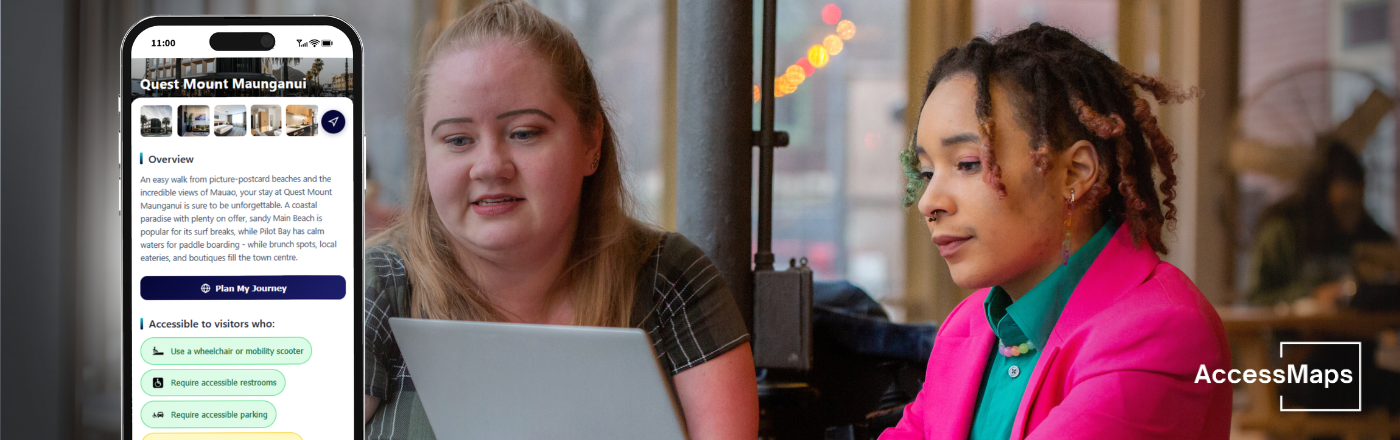
The Sunflower
As part of the partnership, Access Maps will promote the Hidden Disabilities Sunflower across its platforms throughout Australia and New Zealand, helping increase awareness and recognition of the Sunflower and the role it plays in supporting people with non-visible disabilities.
For visitors, it signals that an organisation recognises the Sunflower and that its staff have completed Sunflower awareness training to help them understand that some people may need additional time, understanding or support.
For organisations, displaying the Sunflower alongside accessibility information can:
• Increase awareness of non-visible disabilities
• Demonstrate a commitment to accessibility and inclusion
• Help visitors identify organisations that recognise the Sunflower
A shared commitment to inclusion
Together, Access Maps and Hidden Disabilities Sunflower Australia and New Zealand are helping to raise awareness of non-visible disabilities and the importance of accessible information when planning and navigating everyday experiences.
As Teina says, “Having that information upfront is not just helpful – it’s essential.”