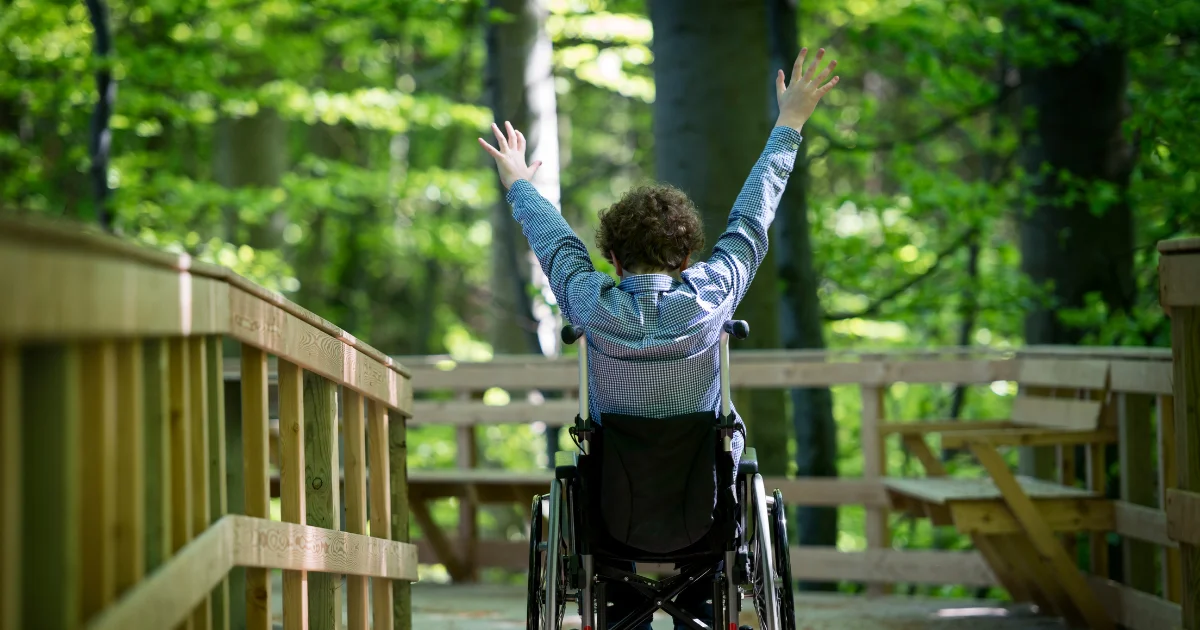
Opening Up the Great Outdoors
How Inclusive Design is Bringing Aussie Communities Together
For many Australians, spending a weekend at the beach, exploring a national park, or taking the kids to the local park is a normal part of life. But for millions of people living with a disability, these simple pleasures have historically come with major barriers. Soft sand stops wheelchairs in their tracks, steep bush tracks isolate hikers, and a lack of proper public amenities can cut a family day out short.
A quiet revolution is happening across our suburbs and regional towns. Communities, local councils, and advocacy groups are shifting their focus toward universal design—the idea that spaces should be created from the very beginning to be used by everyone.
By making our shared spaces genuinely open to every single Australian, we aren't just building better infrastructure; we are building stronger, happier communities.
Beaches and Bush Tracks for Everyone
One of the most exciting shifts is happening across our iconic natural landscapes. More coastal communities are rolling out Beach Access Mats, sturdy blue mats laid across the sand. This matting creates a smooth path right down to the water's edge, allowing pram users, people with canes, and wheelchair users to navigate the beach safely.
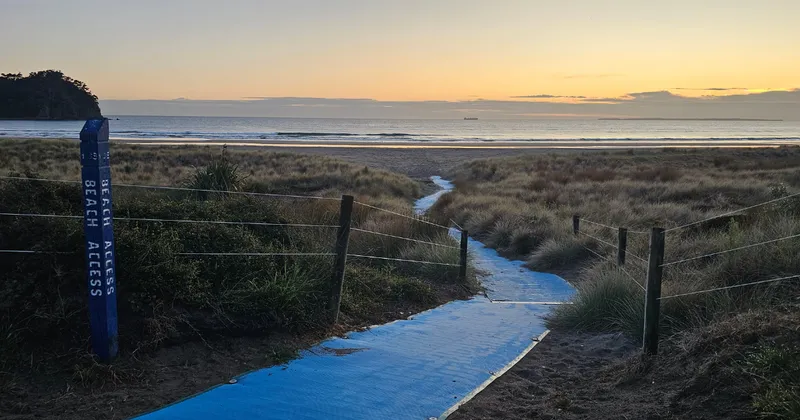
When a community installs a beach mat or provides all-terrain wheelchairs in a national park, the impact spreads far beyond the individual user. It means grandparents can watch their grandkids swim for the first time in years. It means friend groups don't have to leave someone behind when planning a weekend hike. It transforms nature from an exclusive privilege into a shared experience.
The Dignity of Changing Places
While a beach mat gets you to the water, a lack of basic facilities can still force people to stay home. Standard disabled toilets often do not have the space or the equipment required by people with complex needs.
To fix this, communities are increasingly building Changing Places facilities.
As you can see in the image, these are not ordinary public toilets. They are much larger and come equipped with essential items, including:
- A ceiling hoist system to help transfer individuals safely.
- An adult-sized, height-adjustable change table.
- Enough space for two carers to assist comfortably.
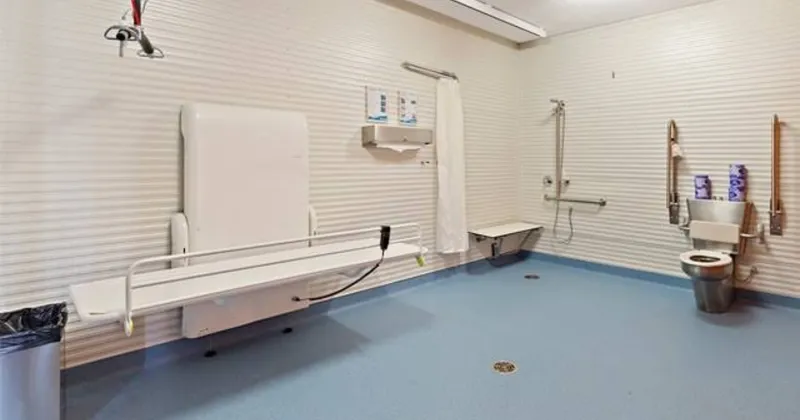
The true value of these facilities is the independence and dignity they provide. Furthermore, the rise of portable Changing Places. Mobile units that can be towed into local festivals, sports matches, and community markets, means families can enjoy a full day out together. They no longer have to pack up and head home early just because a basic human need couldn't be met.
Playgrounds Designed Around Inclusion
The classic Aussie park is also being reinvented. Instead of just adding a single accessible swing to a traditional playground, the focus has shifted entirely to inclusive play spaces.
These parks are designed from the ground up so that children of all abilities can play side-by-side. They feature:
- Liberty swings and all-access spinners that accommodate wheelchairs securely.
- Sensory play platforms that use sound, texture, and visual elements for children with developmental or sensory differences.
- Smooth, continuous rubber flooring rather than wood chips or gravel, making it easy for everyone to move around.
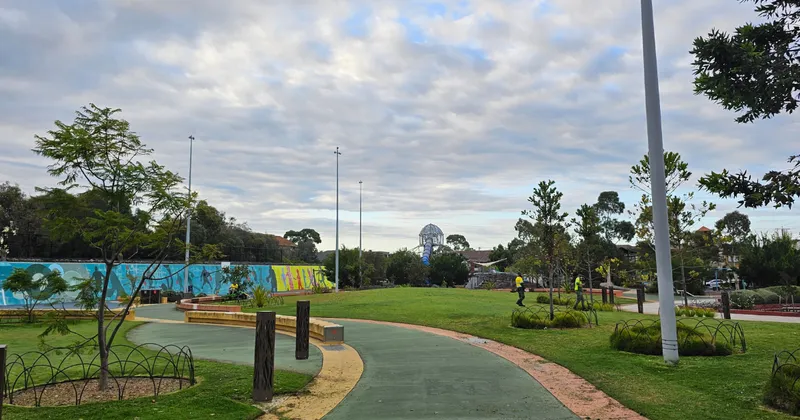
When children with and without disabilities play together, barriers melt away early in life. These parks become hubs where parents connect, neighbors meet, and children learn that everyone belongs.
The Power of Lived Experience
Disability advocacy groups emphasize that creating these spaces requires more than just ticking boxes on a design form. True community good happens when local councils and builders sit down and talk to people with lived experience.
Understanding how a person actually moves through and uses a space ensures that the final design truly works.
When we invest our time and effort into inclusive design, we stop sidelining a huge portion of our population. Australia's push toward truly accessible public spaces reminds us of a simple truth: a community is at its best when nobody is left watching from the sidelines.